Chasing the Aurora Borealis: Phenomenon and Peak Chances in Iceland
Welcome back to myicelandtrip.com! If you're traveling to Iceland, chances are the dancing, celestial green lights of the Aurora Borealis are at the very top of your bucket list. This spectacular natural phenomenon is one of Europe's most breathtaking sights. The good news is that Iceland sits right within the "auroral oval," making your chances of a successful sighting higher than in many other locations.
Understanding the science behind the lights and when they are most visible is the key to maximizing your success whether you choose a self drive hunt or a group tour. It is always a magical experience to witness, and we are obliged to take people with us to see the Northern Lights, it's all about being at the right spot at the right time!
The Phenomenon: How the Northern Lights Dance
What exactly causes the sky to put on this dazzling show? The Aurora Borealis is a spectacular natural light show created by the Sun and the Earth's atmosphere. It begins with the Solar Wind, a continuous stream of electrically charged particles released by the Sun. When these particles reach Earth, they are drawn towards the magnetic poles.
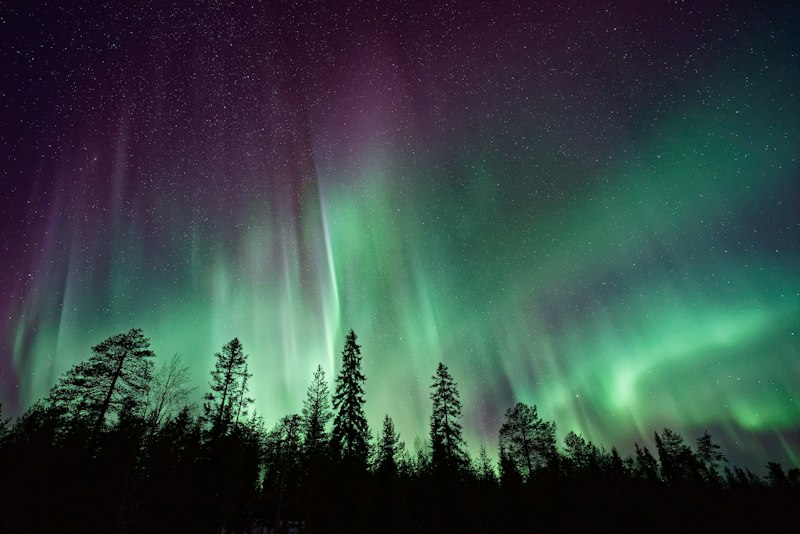
As they collide with atmospheric gases (primarily oxygen and nitrogen) high above the Earth, they excite the gas atoms. When these excited atoms return to their normal state, they release energy in the form of light, creating the vivid curtains of color. The most common color is green, produced by oxygen.
Understanding the Kp-Index
A key measurement in hunting the aurora is the Kp-Index, a scale from 0 to 9 that measures global geomagnetic activity. Since Iceland is situated directly under the auroral oval, you don't need a high Kp-Index to see the lights. A Kp-Index of 2 or higher is often enough to guarantee visibility across most of the country, provided the skies are clear.
Your Best Chances: When and Where to Hunt
While the aurora happens constantly, seeing it requires three crucial ingredients: Darkness, Clear Skies, and Strong Solar Activity.
The Prime Viewing Season and Hours
The best time for travelers from India to visit Iceland for the lights is from September through Mid-April, as this provides the necessary darkness. The darkest hours are typically between 10:00 PM and 1:00 AM, which is when the lights are most frequently sighted.
Remember that despite the highest hours of darkness being in December and January, the persistent cloud cover during mid-winter can actually lower your overall chances of a clear view.
Accommodation Strategy: Maximizing Probability
To guarantee the highest probability of a sighting, the first step is selecting accommodation strategically. We strongly recommend staying in rural hotels or guesthouses that are specifically located far away from light pollution. These areas have a much higher probability of success.
- Avoid large towns like Reykjavík: Don't use the capital as your base for aurora hunting
- Target locations on the South Coast or near the Golden Circle: These remote areas reduce the light cost and put you right under the potential viewing zone
- Stay where probability is highest: By staying in areas where the probability is more, you can simply step outside your door, and if the aurora is active, you see it!
Top Self Drive Viewing Locations
To truly save your trip from light pollution, you must escape Reykjavik. While the Grótta Lighthouse is an easy spot near the city, the best experiences require a self drive out into the wilderness. Top locations to target, especially for dramatic photography, include:
Kirkjufell Mountain (Snæfellsnes Peninsula)
The iconic, cone-shaped mountain is one of Iceland's most photographed backdrops for the aurora. The reflection in the water combined with the mountain silhouette creates stunning compositions.
Jökulsárlón Glacier Lagoon
Watching the aurora reflect off the floating blue icebergs here offers a surreal, unforgettable view. The contrast between the ancient ice and dancing lights is absolutely magical.
Thingvellir National Park
Located on the Golden Circle route, its distance from Reykjavik makes it a frequent and accessible target. The dramatic landscape adds depth to your aurora viewing experience.
Other Prime Locations:
- Reynisfjara Black Sand Beach: Aurora over black sand and basalt columns
- Skógafoss Waterfall: Combine the power of the falls with northern lights
- Vík Area: Dark skies and dramatic coastal scenery
- East Fjords: Remote locations with minimal light pollution
Practical Tips for Your Aurora Hunt
To maximize your chances of seeing the phenomenon on your self drive trip from India to Europe, preparation is vital:
1. Daily Hunting is Essential
Even if you stay in high-probability areas, we always do daily hunting because it's all about being at the right spot at the right time. Don't rely on one location; be ready to move!
2. Use Reliable Forecasts
Do not rely on Kp alone! The cloud forecast is equally important. Your must-use tool is the Icelandic Meteorological Office (IMO) website, which provides the most accurate cloud cover and Kp forecasts specific to Iceland.
Essential forecast resources:
- vedur.is: Official Icelandic weather and aurora forecast
- Aurora forecast apps: My Aurora Forecast, Aurora Alerts
- Cloud cover maps: Check real-time satellite imagery
- Solar activity monitors: Track geomagnetic storms
3. Stay Mobile
If you are on a self drive trip, use your rental car to literally drive to where the clouds are clearing. Be flexible and ready to move quickly based on the latest forecast. This is a massive advantage over a fixed group tour.
Mobile hunting strategy:
- Check forecasts every few hours
- Have multiple backup locations planned
- Keep your gas tank full for spontaneous drives
- Download offline maps in case of poor signal
- Be prepared to drive 30-60 minutes to clear skies
4. Dress for Extremes
You will be standing still outside in freezing temperatures for hours. Wear multiple thermal layers and windproof outer gear. A thermos of hot chai or coffee will be your best friend.
Essential gear for aurora hunting:
- Thermal base layers: Wool or synthetic materials
- Insulated jacket: Down or synthetic fill
- Waterproof outer layer: Wind and rain protection
- Warm hat and gloves: You'll lose most heat from your head and hands
- Insulated boots: Keep your feet warm while standing still
- Hand warmers: Essential for long viewing sessions
- Thermos: Hot drinks keep you warm and alert
Photography Tips for Capturing the Aurora
If you want to capture this magical phenomenon on camera, here are essential tips:
Camera Settings
- Manual mode: Full control over settings
- ISO: 1600-3200 (adjust based on aurora brightness)
- Aperture: f/2.8 or wider (lower f-number = more light)
- Shutter speed: 5-15 seconds (faster for active aurora, slower for faint)
- Focus: Manual focus set to infinity
- White balance: 3500-4000K or auto
Essential Equipment
- Sturdy tripod: Absolutely essential for long exposures
- Wide-angle lens: 14-24mm captures more of the sky
- Remote shutter release: Prevents camera shake
- Extra batteries: Cold drains them fast - keep spares warm in your pocket
- Headlamp with red light: Preserves night vision
- Lens cloth: Keep lens clear of condensation
Composition Tips
- Include interesting foreground elements (mountains, waterfalls, churches)
- Use the rule of thirds for balanced compositions
- Capture reflections in water when possible
- Experiment with different exposures as aurora intensity changes
- Take test shots to check focus and exposure
What to Expect: Managing Expectations
While Iceland offers excellent aurora viewing opportunities, it's important to have realistic expectations:
The Reality of Aurora Hunting
- Weather dependent: Clouds can block the view even with high solar activity
- Patience required: You might need to wait hours or try multiple nights
- Variable intensity: Some displays are faint, others are spectacular
- No guarantees: Nature doesn't follow schedules
- Worth the effort: When you see them, it's absolutely magical
Colors You Might See
- Green: Most common, produced by oxygen at lower altitudes
- Pink/Red: Oxygen at higher altitudes during strong displays
- Blue/Purple: Nitrogen, less common but stunning
- White/Gray: Faint aurora may appear colorless to the naked eye
Camera vs. Eye: Remember that cameras often capture more vivid colors than what you see with your eyes. The aurora may appear as a faint greenish glow to you but show up brilliantly in photos.
Group Tours vs. Self Drive Aurora Hunting
Both options have advantages for aurora hunting:
Group Tours
Pros:
- Expert guides know the best spots
- No driving stress in dark conditions
- Photography guidance available
- Social experience with other travelers
Cons:
- Fixed schedule and locations
- Less flexibility to chase clear skies
- Crowded viewing spots
- Additional cost
Self Drive
Pros:
- Complete flexibility to move
- Can chase clear skies instantly
- Find secluded viewing spots
- Hunt on your own schedule
Cons:
- Requires confidence driving in dark/winter conditions
- Need to research locations yourself
- Responsibility for safety
Safety Considerations
Aurora hunting in Iceland requires attention to safety:
- Check road conditions: Use road.is before driving
- Tell someone your plans: Let your accommodation know where you're going
- Bring emergency supplies: Blankets, food, water, phone charger
- Watch for ice: Roads can be extremely slippery at night
- Respect private property: Don't trespass while hunting
- Be aware of surroundings: Cliffs, waves, and wildlife can be dangerous in the dark
- Download Safetravel app: Emergency contacts and alerts
Maximizing Your Success Rate
To increase your chances of seeing the Northern Lights during your Iceland trip:
Plan Multiple Nights
Don't rely on just one night. Plan at least 3-5 nights in Iceland to account for weather variability. The more nights you have, the higher your probability of success.
Stay in Strategic Locations
Book accommodations in areas with low light pollution and good weather patterns. The South Coast and areas around Vík often have clearer skies than the north.
Be Flexible with Your Itinerary
If forecasts show clear skies in a different region, be willing to adjust your plans. The aurora doesn't care about your schedule!
Combine with Other Activities
Don't make the aurora your only goal. Enjoy Iceland's incredible daytime attractions - waterfalls, glaciers, hot springs - so your trip is fulfilling regardless of aurora success.
The Magic of the Experience
Patience and preparation are the keys to catching the Northern Lights. By checking the IMO forecast religiously and utilizing the remote dark skies, you significantly increase your chances of witnessing this incredible display of nature's power.
Remember, it is always magical to see, and we are thrilled to help you find it. The moment those green curtains start dancing across the sky, all the cold nights and patient waiting become worth it. It's a humbling reminder of the incredible forces at work in our universe.
The Aurora Borealis isn't just a light show - it's a connection to ancient myths, scientific wonder, and the raw power of nature. Whether you see a faint glow or a spectacular display that fills the entire sky, you're witnessing something that has captivated humanity for thousands of years.
Ready to Chase the Northern Lights?
At Travelstoriis, we understand that seeing the Aurora Borealis is often the main reason travelers choose Iceland. Our packages are designed to maximize your chances of success:
- Strategic accommodation: We book you in areas with low light pollution
- Flexible itineraries: Self-drive options let you chase clear skies
- Expert guidance: We provide forecast resources and location recommendations
- Optimal timing: Tours scheduled during peak aurora season
- 24/7 support: We're here to help you find the best viewing conditions
👉 Ready to witness the magic? Visit myicelandtrip.com for more tips on finding the perfect aurora accommodation and planning your Northern Lights adventure!
Remember: It's all about being at the right spot at the right time. With preparation, patience, and a bit of luck, you'll experience one of nature's most spectacular shows. The Aurora Borealis is waiting for you in Iceland's dark skies. 🌌✨